

History of Madison's Taxi Services

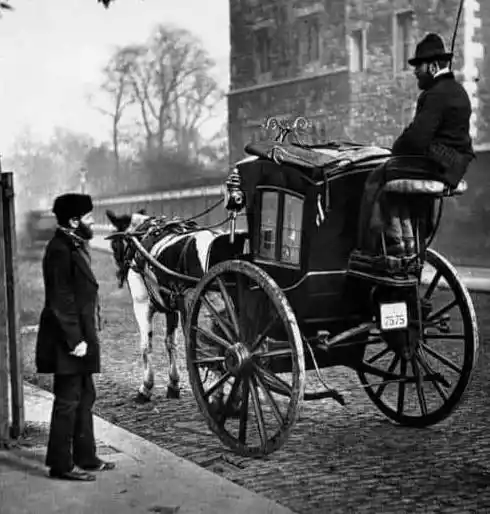
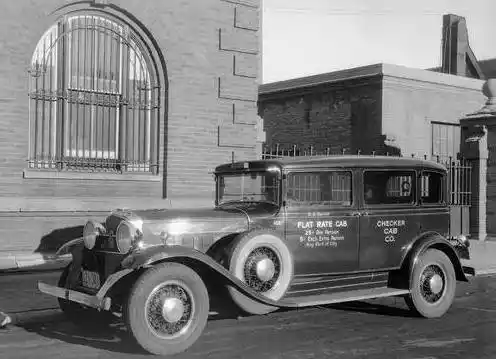
The History of Madison’s Taxi Services, reflects the broader transformation of an idyllic college and capital city into a bustling, modern metropolis. Long before motorized cabs, the 1800s saw Madison rely on horse-drawn carriages, omnibuses, and sleighs to ferry legislators, students, and citizens across the narrow isthmus between Lakes Mendota and Monona. As the 20th century dawned, these horse-drawn liveries gradually gave way to the internal combustion engine. By the 1930s, amidst the hardships of the Great Depression, formal taxicab companies began to emerge to serve a city navigating economic recovery.

World War II in the 1940s brought strict rationing of rubber, gasoline, and automobile parts, forcing Madison’s fledgling cab operators to carefully conserve resources while keeping the vital wartime capital moving. As the postwar baby boom took hold in the 1950s, Madison expanded outward, and taxi fleets grew to service the expanding neighborhoods and the ever-growing University of Wisconsin-Madison campus.

History of Madison's Taxi Services

The turbulent 1960s and 1970s infused Madison’s taxi scene with the city’s trademark progressive spirit; this era saw the birth of driver-owned cooperatives and alternative transit models designed to serve a politically active, counter-cultural student body.

History of Madison's Taxi Services
Madison Taxi
Madison Taxi

By the 1980s and 1990s, Madison’s taxi industry had matured into a heavily regulated yet deeply local service, with iconic companies like Madison Taxi becoming community fixtures. The turn of the millennium in the 2000s introduced early digital dispatch systems, streamlining the process of hailing a cab during freezing Wisconsin winters.

However, the 2010s brought massive disruption with the arrival of ridesharing giants like Uber and Lyft, which radically transformed passenger expectations and put immense financial pressure on traditional local cab companies.

Most recently, the 2020’s forced the industry to weather the unprecedented challenges of the COVID-19 pandemic, followed by a period of adaptation.

Today, Madison’s passenger transit continues to evolve, blending the surviving legacy of local cab companies to navigate the streets of the isthmus.